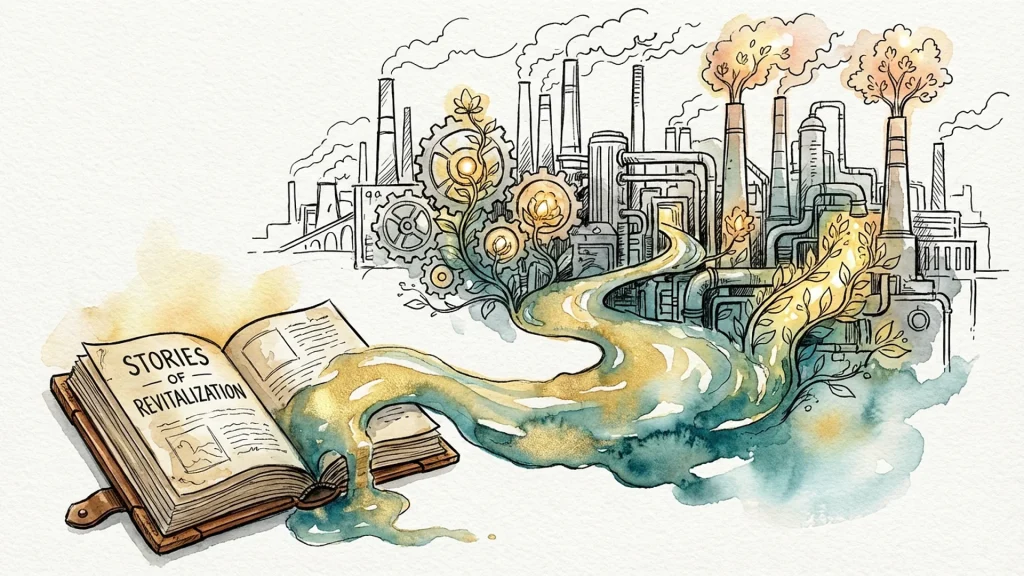
Why Industrial Brands Can’t Afford to Be Boring Anymore
Here’s something that might surprise you: your industrial brand has stories worth telling! I know, I know—when you’re manufacturing precision components or managing construction logistics, storytelling might seem like a luxury reserved for consumer brands selling sneakers or soft drinks. But here’s the reality: your competitors who master narrative techniques are already eating your lunch, and they’re doing it by making the “unsexy” absolutely captivating!
The industrial sector faces a unique challenge. You’re delivering exceptional work—solving complex problems, engineering innovative solutions, and keeping critical infrastructure running—but your digital presence feels like an afterthought. Meanwhile, your ideal clients are scrolling past your website because nothing captures their attention or communicates the transformative value you bring. This disconnect isn’t just embarrassing; it’s costing you qualified leads and premium projects!
The good news? Industrial storytelling isn’t about fabricating excitement where none exists. It’s about uncovering the inherently compelling narratives already embedded in your work and presenting them in ways that resonate with decision-makers. As part of our complete guide to Strategic web design, this article reveals specific techniques that transform technical expertise into engaging content that drives revenue growth!
The Human Element: Finding Stories in Steel and Concrete
- Focus on problem-solving narratives rather than product specifications
- Highlight the people behind the machinery and processes
- Showcase the downstream impact of your industrial solutions
- Transform technical challenges into compelling journey narratives
Every industrial project begins with a problem that someone needs solved urgently. That’s your story’s opening! Instead of leading with “We manufacture high-precision hydraulic systems,” start with the crisis your client faced: production lines shutting down, costly delays mounting, or safety concerns threatening operations. This human-centered approach immediately creates emotional engagement!
Consider how Caterpillar doesn’t just showcase equipment specifications—they tell stories about building infrastructure that connects communities. They understand that behind every bulldozer is a contractor with deadlines, budgets, and a reputation on the line. Your industrial brand should do the same! Introduce the engineers, technicians, and project managers who bring expertise and dedication to every challenge.
The downstream impact of industrial work provides another powerful narrative angle. That precision component you manufacture? It keeps hospital equipment running reliably. Those construction materials you supply? They’re building schools where children will learn for decades. When you connect your technical work to its ultimate human impact, you transform “boring” industrial content into purpose-driven storytelling that resonates deeply with decision-makers who want to work with companies that understand the bigger picture!
Visual Storytelling: Making Technical Content Accessible
- Use before-and-after visual comparisons to demonstrate transformation
- Create annotated diagrams that explain complex processes simply
- Develop video content showing your solutions in action
- Implement interactive elements that let prospects explore technical details
Industrial storytelling doesn’t mean dumbing down your expertise—it means making it accessible! Visual elements bridge the gap between technical complexity and audience comprehension. Before-and-after comparisons work brilliantly in industrial contexts. Show the inefficient process before your intervention, then reveal the optimized solution afterward. The visual contrast tells a story of transformation that words alone cannot convey!
However, avoid the temptation to overwhelm visitors with technical jargon in your visuals. Annotated diagrams should highlight key benefits and outcomes, not just specifications. When Honeywell explains building automation systems, they use clean visuals showing energy savings and improved comfort—benefits that matter to facility managers—rather than overwhelming technical schematics that only engineers appreciate.
Video content represents an exceptional opportunity for industrial brands! Time-lapse footage of installations, close-ups of manufacturing precision, or testimonials from satisfied clients create engaging content that holds attention. The key is keeping videos focused and purposeful. A three-minute video showing problem identification, solution implementation, and measurable results tells a complete story that positions your brand as a strategic partner rather than a commodity supplier. This approach aligns perfectly with High-end visual design principles that elevate industrial brands above their competition!
Data-Driven Narratives: Numbers That Tell Stories
- Transform raw performance metrics into compelling improvement narratives
- Use comparative data to position your solutions against alternatives
- Visualize ROI timelines that demonstrate financial impact
- Share industry benchmarks that contextualize your achievements
Industrial buyers love data—but they love meaningful data even more! Raw numbers without context fail to engage, but when you frame data within a narrative structure, those same numbers become compelling proof points. Instead of stating “Our system improved efficiency by 34%,” tell the story: “Our client was losing $50,000 monthly to production bottlenecks. Within 90 days of implementing our solution, they achieved 34% efficiency gains, recovering their investment and adding $600,000 to their annual bottom line!”
Comparative narratives work exceptionally well in industrial contexts. Position your solution against the status quo, showing not just that your approach is better, but quantifying exactly how much better and what that means financially. Create visual timelines showing ROI progression—initial investment, implementation period, breakeven point, and ongoing returns. This narrative structure helps risk-averse decision-makers visualize the journey from expenditure to profit!
Industry benchmarks add another layer of storytelling power. When you can demonstrate that your client moved from bottom-quartile performance to top-quartile results, you’re not just sharing data—you’re telling a competitive transformation story that resonates with challenger brands determined to overtake market leaders. This data-driven storytelling approach directly supports the ROI of premium narrative design by connecting technical capabilities to measurable business outcomes!
Case Studies as Epic Narratives
- Structure case studies using classic story arcs with clear beginnings, middles, and ends
- Include specific obstacles and how your team overcame them
- Feature direct quotes from clients describing their experience
- Conclude with measurable outcomes and ongoing relationships
Case studies represent your most powerful storytelling tool, yet most industrial brands treat them as boring project summaries! Transform your case studies into epic narratives by embracing classic story structure. Every compelling story needs conflict, and industrial projects provide plenty: tight deadlines, technical constraints, budget limitations, or unexpected complications. Don’t hide these challenges—feature them!
The middle section should detail your problem-solving approach, highlighting the expertise, innovation, and dedication your team brought to the challenge. This is where you demonstrate strategic thinking rather than just technical capability. What alternatives did you consider? Why did you choose your specific approach? What obstacles emerged during implementation, and how did your team adapt? These details transform generic case studies into engaging narratives that showcase your value as a strategic partner!
Client quotes add authenticity and emotional resonance that your own descriptions cannot achieve. However, move beyond generic testimonials like “They did great work!” Seek specific quotes about the decision-making process, concerns your client had initially, and how your team exceeded expectations. End with concrete outcomes—not just project completion, but ongoing business impact and the continuing relationship. This demonstrates that you’re not a transactional vendor but a long-term strategic partner invested in client success!
Authenticity Over Polish: The Industrial Advantage
- Embrace the raw, unpolished aspects of industrial work as authentic content
- Share behind-the-scenes content showing real work environments
- Discuss failures and lessons learned to build credibility
- Let technical expertise shine through without excessive marketing language
Here’s a counterintuitive insight: industrial brands have a significant advantage in authentic storytelling! While consumer brands struggle with accusations of inauthenticity, industrial companies can showcase real work, real challenges, and real expertise. Don’t over-polish your content—the industrial aesthetic itself conveys authenticity, capability, and substance!
Behind-the-scenes content works exceptionally well for industrial storytelling. Show your shop floor, your field operations, or your engineering teams collaborating on complex problems. This transparency builds trust with sophisticated buyers who want to understand your capabilities before engaging. Companies like Bechtel effectively use project documentation and progress photos to demonstrate scale, complexity, and execution excellence!
Furthermore, discussing challenges and lessons learned paradoxically strengthens your positioning! When you acknowledge that a particular approach didn’t work as expected but explain how your team adapted and ultimately delivered superior results, you demonstrate problem-solving capability and intellectual honesty. Challenger brands particularly appreciate this transparency because they’re tired of vendors who overpromise and underdeliver. Authentic storytelling that showcases both expertise and adaptability positions you as the strategic partner they’re seeking!
Transform Your Industrial Brand Through Strategic Storytelling
The industrial sector isn’t inherently boring—it’s just been poorly communicated! When you apply these storytelling techniques consistently across your digital presence, you transform how prospects perceive your brand. Instead of seeing another commodity supplier, they discover a strategic partner with proven expertise, authentic values, and a track record of delivering measurable results!
Remember, effective industrial storytelling isn’t about fabricating excitement or abandoning technical credibility. It’s about presenting your genuine capabilities and achievements in ways that resonate emotionally while satisfying the rational evaluation criteria of sophisticated B2B buyers. This approach naturally qualifies leads by attracting decision-makers who value strategic partnerships over price shopping!
Ready to transform your industrial brand’s digital presence from embarrassing to exceptional? The storytelling techniques outlined here represent just the beginning of what’s possible when you combine narrative strategy with high-end visual design and deep industry understanding. Your competitors who master these approaches are already capturing the premium projects you deserve—it’s time to reclaim your position and showcase the exceptional work you’re already doing through compelling, authentic storytelling that drives qualified leads and revenue growth!
Frequently Asked Questions
Storytelling techniques for industrial brands include crafting engaging narratives that resonate with the audience, highlighting unique selling points, and using visual storytelling elements. These techniques help transform complex industry concepts into relatable stories that captivate and inform.
Storytelling is essential for ‘unsexy’ industries as it fosters emotional connections with the audience and enhances brand perception. By simplifying complex ideas through engaging narratives, brands can become more accessible and memorable, even in traditionally overlooked sectors.
To craft engaging narratives for B2B content, start by understanding your audience’s needs and preferences. Ensure that your brand messaging is clear and aligns with your core values, and incorporate visual storytelling to enhance engagement and retention.
Customer stories play a crucial role in industrial marketing by adding authenticity and relatability to the brand narrative. They help illustrate the real-world impact of products and services, making the brand more relatable and trustworthy to potential clients.
Common mistakes in industrial storytelling include using overly technical language, failing to define the target audience, and neglecting visual elements. Avoid these pitfalls by focusing on clarity, relatability, and effective use of visuals to enhance your narrative.
Industrial brands can improve their narrative strategy by reframing perceptions of their industry, incorporating customer stories, and showcasing their broader impact. This helps educate the audience while differentiating the brand in a competitive market.
The benefits of using storytelling in marketing include improved brand recognition, deeper emotional engagement with the audience, and enhanced ability to convey complex information clearly. This approach helps build stronger relationships and fosters loyalty among customers.